
Luzerne County HIstorical Society
Online Store
$0.00
0
No products in the cart.

Our Latest Products
$25.00
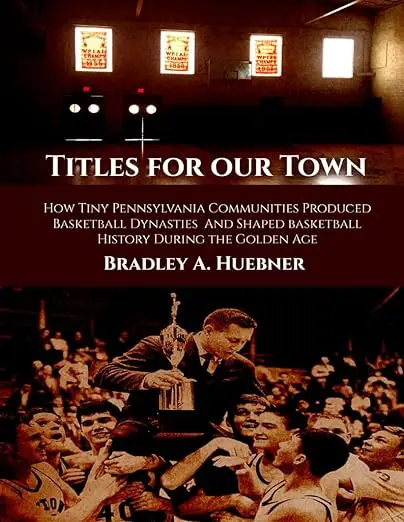
“Titles for our Town” is a 2023 release that focuses on the golden age of high school basketball in PA during the ’50s and ’60s and how the teams not only inspired boys in small towns in the Commonwealth but across the US and even into the Soviet Union as well.
$10.00
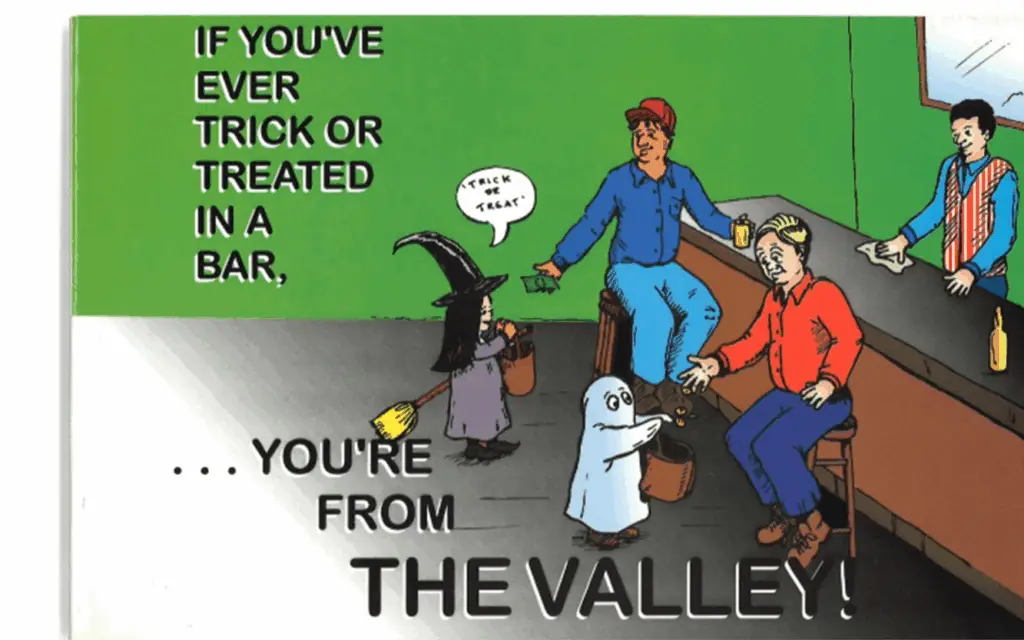
Author Lee Woodmansee’s smash hit book: …..You’re From The Valley. The book is a lighthearted look at life in the Wyoming Valley and is relatable to anyone who has lived here. Talking bars, food, music, language, and yes, politics, nothing is off limits.
$10.00
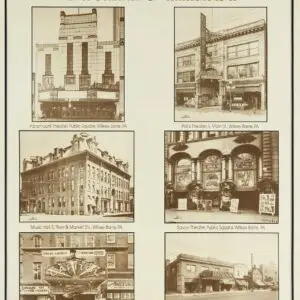
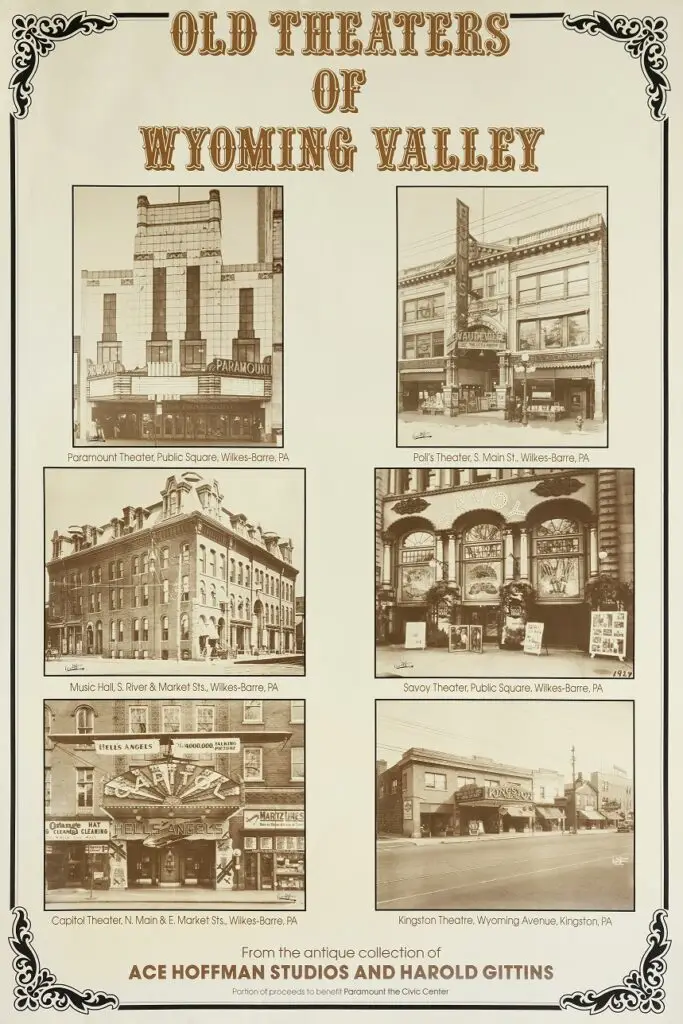
Poster featuring the old theaters of the Wyoming Valley. A joint venture between the LCHS and Ace Hoffman Studios.
$28.20
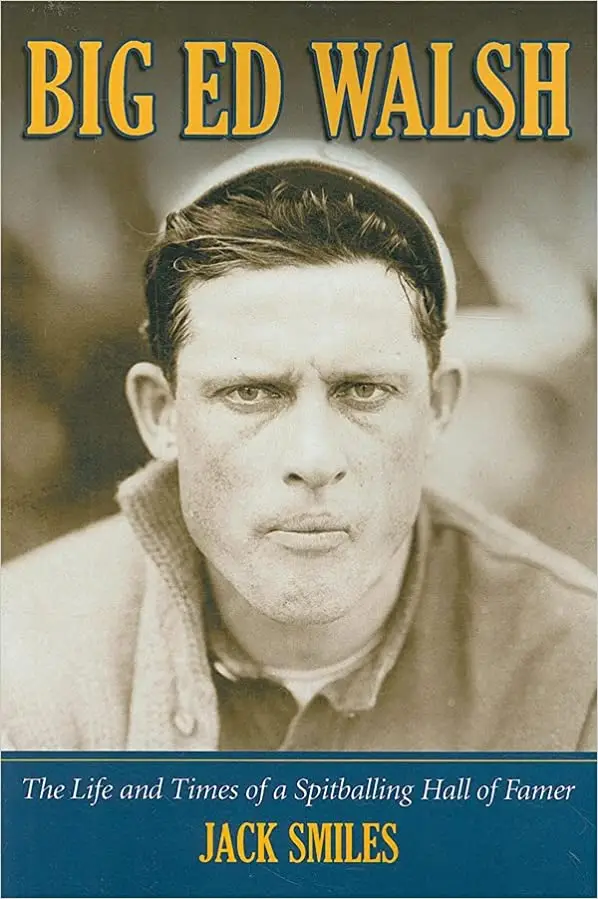
As a young man living in the Anthracite coal region of Pennsylvania, it seemed Ed Walsh’s course in life was set. But he emerged from the hardscrabble life of the mines to become one of the Deadball Era’s greatest pitchers, winning fame, world championships, and eventually induction to the Hall of Fame.
This biography closely describes Walsh’s life and 14-year playing career, with special discussion of the spitball, a pitch that profoundly affected his fortunes–and ultimately his arm. The years 1905-1911 are explored in depth, especially his contributions to the 1906 world champion White Sox and his prominent role in the now-famous 1908 pennant race. Chapters are also devoted to his holdout in 1909, the athletic careers of his sons Bob and Ed, and his repeated attempts at comebacks after his arm injury.
$28.20
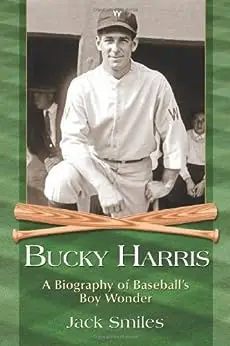
In 1924, at the age of 27, manager and second baseman Stanley “Bucky” Harris—aka “The Boy Wonder”—led the Washington Senators to their only World Series championship. His incredible debut season at the helm of the Senators marked the beginning of remarkable 29-year managerial career that earned him a spot in the Baseball Hall of Fame. This detailed biography chronicles Harris’s road to the top of his sport, including his youth in the coal mining region of eastern Pennsylvania, his brief stint in professional basketball, his early days as a baseball player, his 1947 world championship as manager of the Yankees, and his role in the racial integration of both the Senators and the Boston Red Sox. By highlighting Harris’ easy-going nature and intelligence, this profile makes it perfectly clear why one player being traded to Harris’ Senators declared, “Ask any ballplayer who he’d like to play for and he’d say Bucky Harris.”
$28.20
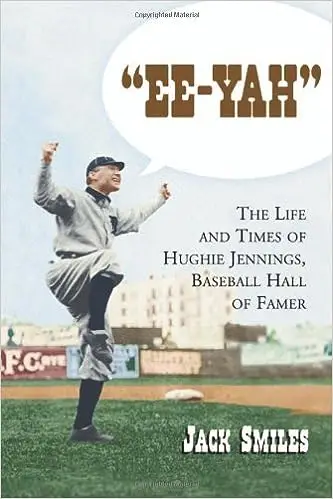
Baseball player and manager Hugh Ambrose Jennings was the kind of colorful personality who inspired nicknames. Sportswriters called him “Ee-yah” for his famous coaching box cry and “Hustling Hughey” for his style of play. But to the nearly 100 other men from northeast Pennsylvania who followed Jennings from the coal mines to the major leagues, he was known as “Big Daddy,” not for his physical stature but for his iconic status to men desperate to escape the mines.
The son of an immigrant coal miner from Pittston, Pennsylvania, Jennings himself became a miner at the ripe old age of 11 or 12. He eventually became a mule driver, earning $1.10 per day and dreaming of getting $5 per day for playing baseball on Saturday afternoons. From the rough-and-tumble world of semi-pro baseball to the major leagues, Jennings was driven to succeed and fearless in his pursuit of his dream. He joined the Baltimore Orioles in 1894 and went on to become manager of the Detroit Tigers during Ty Cobb’s heyday. Jennings’ story is emblematic of how the national pastime and the American dream came together for a generation of ballplayers in the early 20th century.
$18.87
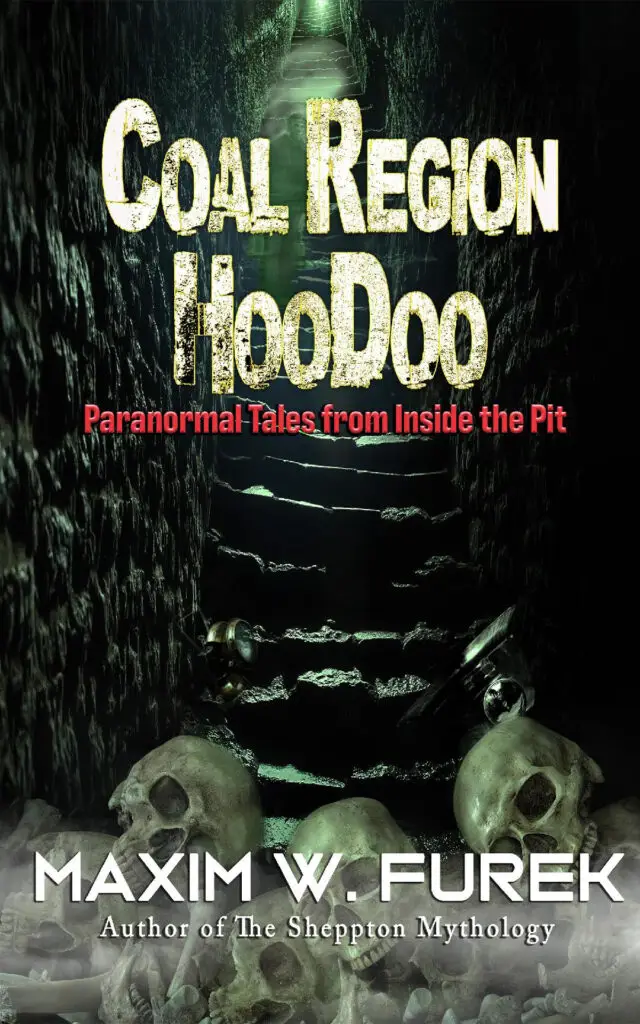
With Coal Region Hoodoo, Maxim W. Furek continues his exploration of high strangeness inside the Pennsylvania wormhole that gave birth to The Night of the Living Dead, The Blob, and The Philadelphia Experiment. His journey takes us beyond the netherworlds of Centralia, Sheppton, Chestnut Ridge, and The Pennhurst Asylum. It looks into the eyes of demonologists Ed and Lorraine Warren and the twisted souls of serial killer Gary Heidnik and con artist Richard Sharpe Shaver while exploring the preternatural secrets of Bigfoot, cryptids, Kecksburg, The Smurl Haunting, Pennsylvania Dutch Powwowing, and Roman Catholic Mysticism.
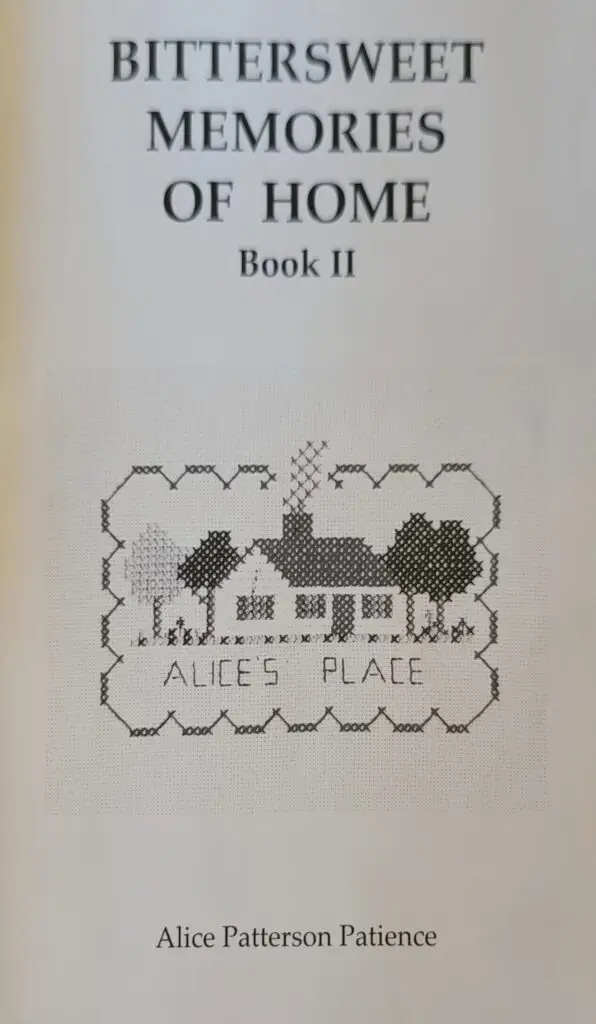
$4.70
by Alice Patterson Patience, 70 pages, Paperback
Following up on Book I, Alice Patterson Patience writes more of a memoir, rather than a mere oral history, as her family and house take a backseat to her own personal experiences of living for nearly 90 years in the Wyoming Valley.
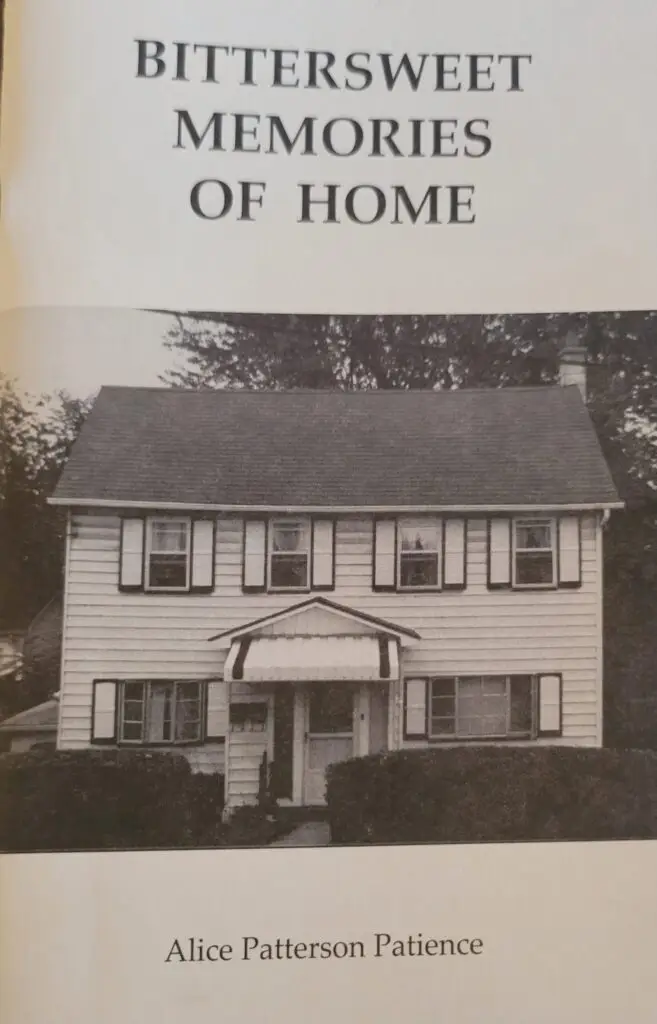
$4.70
by Alice Patterson Patience, 71 pages, Paperback
Alice Patterson Patience, wife of famous coal sculptor C. Edgar Patience writes of her experiences living in the Wyoming Valley from 1916-1998. Alice discusses the evolution of the Valley, the fall of the coal industry, and what it meant to be a black woman growing up in NEPA. The book also features a detailed genealogy of the Patterson and Patience families.
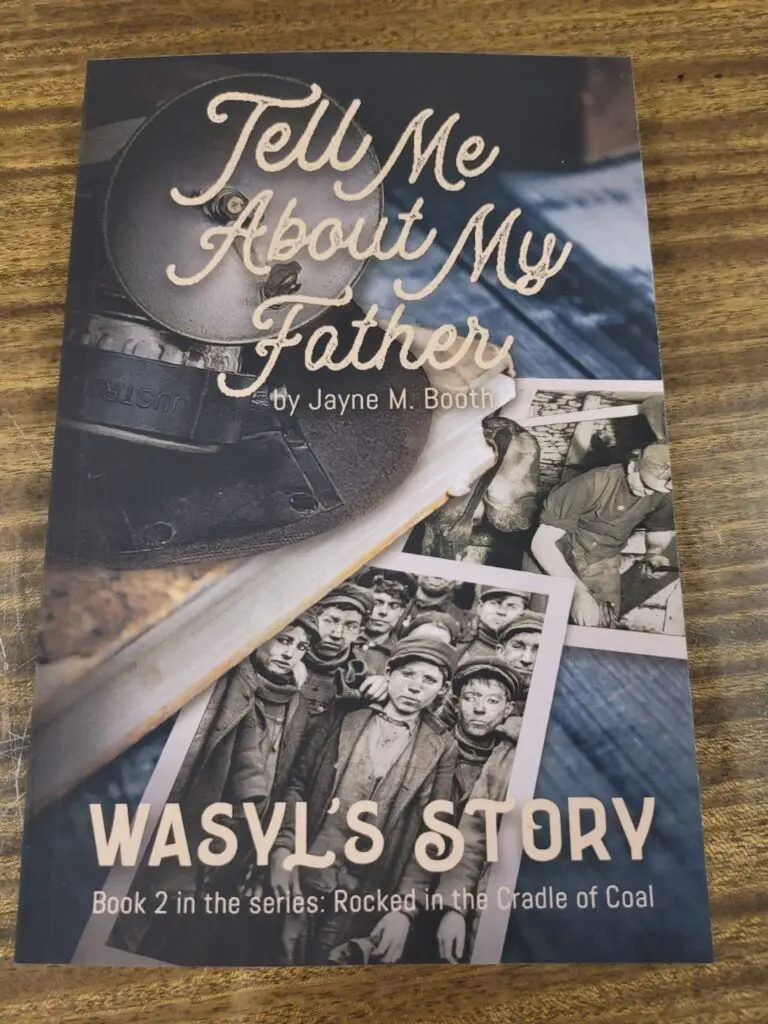
$12.99
Tell Me About My Father: Wasyl’s Story by Jayne M. Booth. Book 2 of the Rocked in the Cradle of Coal series. 105 pages.
“Rocked in The Cradle of Coal Series: Children of the Pennsylvania Coal Mines
Northeastern Pennsylvania was the cradle of the coal industry in the early 1900s. Immigrants escaping poverty and hunger in Poland, Hungary, Ukraine, and other countries were eagerly recruited by the anthracite mine barons to provide cheap labor in exchange for the promise of a better life in North America. Upon arriving in their new country, immigrants soon discovered that the streets were not made of gold. Because they were part of the vast low-skilled labor force and did not speak English well (although they may have spoken three or four other languages), they faced prejudice and were ridiculed with ethnic slurs.
With Limited Resources and a language barrier that separated them from the mainstream culture, these proud immigrants found strength in ethnic neighborhoods, societies, and their faith, They preserved with a strong work ethic, self-respect, and love for each other, Rocked in the Cradle of Coal stories are based on fact although not politically correct by today’s standards. The Situations and conversation are purely a product of oral tradition and the author’s imagination… but they could have happened in any immigrant home at the time.
Book 2
Tell Me About My Father: Wasyl’s Story
In 1917 the United States is recovering from the costly first World War. Inflation hits hard, especially in the coal regions of Northeastern Pennslyvania. Families are forced to make difficult decisions. What groceries are optional? Does mama really need cream in her coffee? Probably not. Is a nine-year-old boy too young to quit school and work full-time in the mines? Maybe…..maybe not.
This is Wasyl’s dilemma. He sees his widowed mother struggling to buy food and pay bills. He wants to get a job and help her and his sisters, but Mama insists that he not work in the mines like so many other boys his age are doing. He wishes he had a father to guide him through the harsh realities of growing up in coal country, but Wasyl’s father is a big secret no one ever discusses. He has so many questions. There is so much he doesn’t understand. Is it kinder to keep secrets, or to deal with them honestly and openly even if they hurt? Wasyl is about to find out.
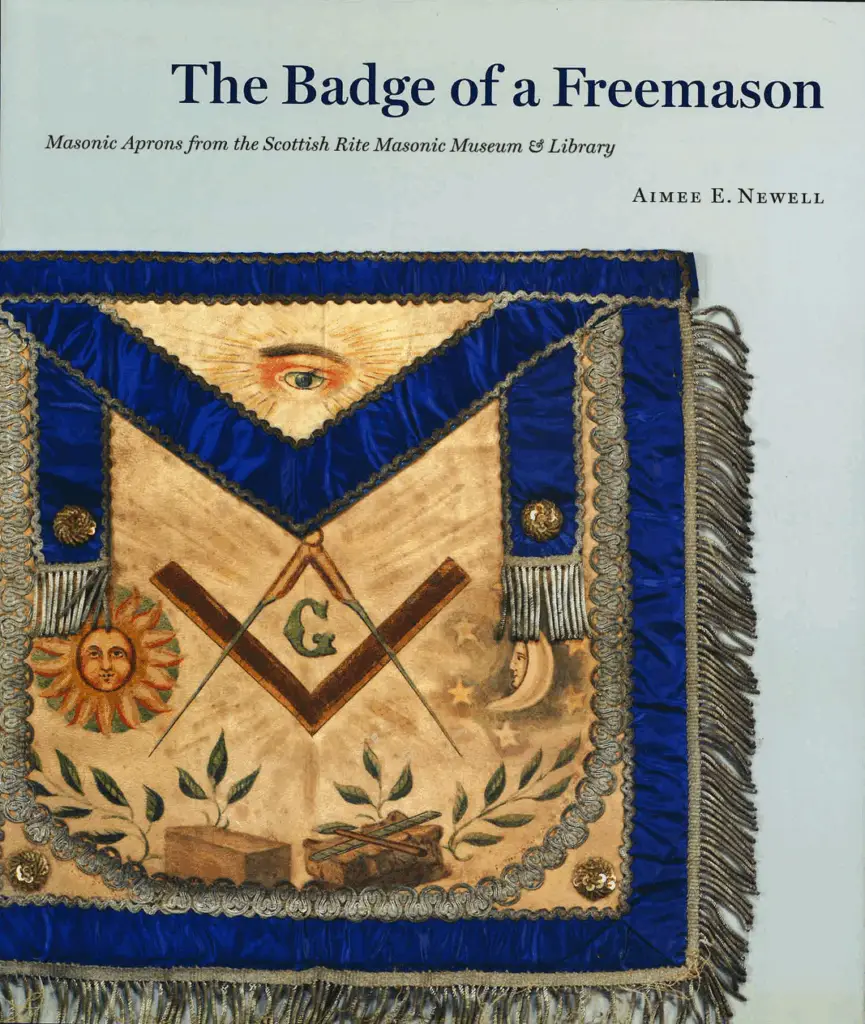
$37.74
The Badge of a Freemason by Aimee E. Newell, hardcover, 247 pages, full-color.
“Called “The Badge of a Freemason” in Masonic ritual, the fraternity’s apron was adapted from protective aprons worn by working stonemasons during the 1600s and 1700s. Still worn by members today, the apron remains one of the iconic symbols of Freemasonry. This catalogue presents more than 100 aprons from the Scottish Rite Masonic Museum & Library collection with full-color photographs and new research. The aprons are organized chronologically to help demonstrate their evolution in shape, style, and materials from the eighteenth century through the twentieth century.
Soon after the Scottish Rite Masonic Museum & Library was founded in 1975, the collection began to grow, with Masonic aprons among the first donations. Today, with more than 400 aprons, the Museum & Library has one of the largest collections in the world. Examples date from the United States, England, China and other countries.
Freemasonry is a fraternal organization for men that teaches a system of ethics using symbols, rituals and ideas drawn from stonemasons’ regulations, Enlightenment philosophy and Judeo-Christian teachings. Freemasonry enhances and strengthens a man’s character by providing opportunities for fellowship, charity education and leadership. Worn by Freemasons throughout the centuries, aprons feature eye-catching colors and materials and show the symbols essential to Masonic lessons.
Published by the Scottish Rite Masonic Museum & Library, this lavishly illustrated volume offers stories to be enjoyed by Freemasons around the world, as well as new ways to understand these aprons for scholars, researchers and museum curators. “the Badge of a Freeemason” is the first in-depth study of American Masonic aprons published in the recent decades and is a fascinating resource for collectors, enthusiasts and museums.”
$12.99
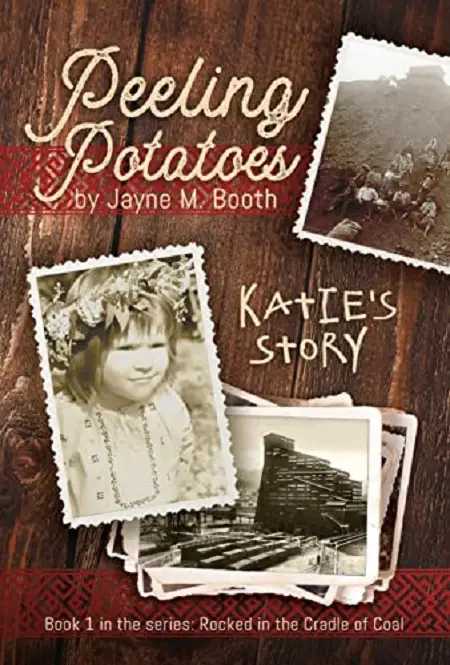
Peeling Potatoes: Katie’s Story by Jayne M. Booth. Book 1 of the Rocked in the Cradle of Coal series. 122 pages.
“Rocked in The Cradle of Coal Series: Children of the Pennsylvania Coal Mines
Northeastern Pennsylvania was the cradle of the coal industry in the early 1900s. Immigrants escaping poverty and hunger in Poland, Hungary, Ukraine, and other countries were eagerly recruited by the anthracite mine barons to provide cheap labor in exchange for the promise of a better life in North America. Upon arriving in their new country, immigrants soon discovered that the streets were not made of gold. becaue they were part of the vast low-skilled labor force and did not speak English well (although they may have spoken three or four other languages), they faced prejudice and were ridiculed with ethnic slurs.
With Limited Resources and a language barrier that separated them from the mainstream culture, these proud immigrants found strength in ethnic neighborhoods, societies, and their faith, They preserved with a strong work ethic, self-respect, and love for each other, Rocked in the Cradle of Coal stories are based on fact although not politically correct by today’s standards. The Situations and conversation are purely a product of oral tradition and the author’s imagination… but they could have happened in any immigrant home at the time.
Book 1
Peeling Potatoes: Katie’s Story
It is 1914. katie lives with her widowed mother and four older siblings on the edge of a coal mine near the river. her young life is about to change. She must start chool one year early so Mama can work fulltime. Katie speaks Russian, but she hardly knows any English words. She’s shy, she doesn’t know any other children in the first grade, and she’s a year younger than everyone else. She wants to be brave and help her family. Can she do it?”