Archives: Shop

$5.64

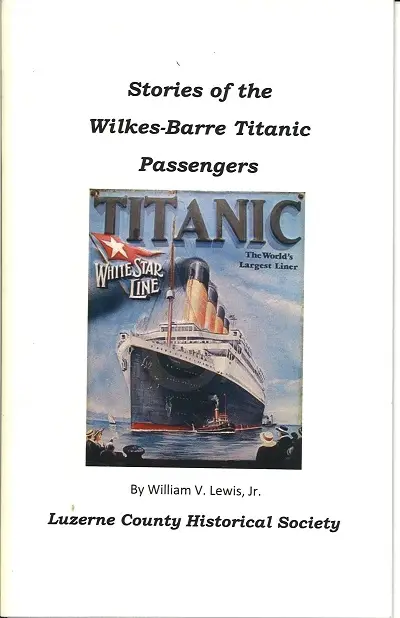
Author:  William V. Lewis, Jr. Description:  The disaster of the Titanic had a profound effect on people from many places in the world, both those left behind at the locations of departure as well as those who awaited their arrival in the New World. This is the story of those who were headed to Wilkes-Barre, Pennsylvania, and those  whose travels would ultimately or temporarily lead them there. Size:  5-1/2 x 8-1/2  Paperback Published:  2012

$7.08

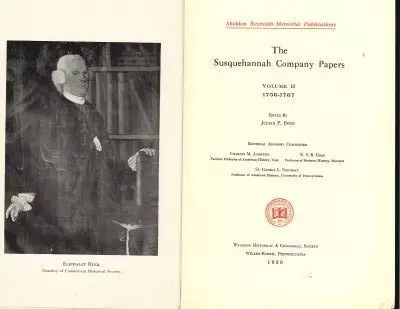
The Sheldon Reynolds Memorial Publications Description:  Volume II, 1756 – 1767, Edited by Julian P. Boyd Size:  6 x 9 Hardcover — 354 pages Published:  1930

$7.08

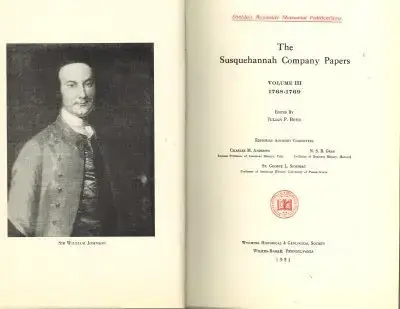
The Sheldon Reynolds Memorial Publications Description: Volume III, 1768 – 1769, Edited by Julian P. Boyd Size: 6 x 9 Hardcover — 354 pages Published: 1931

$12.99

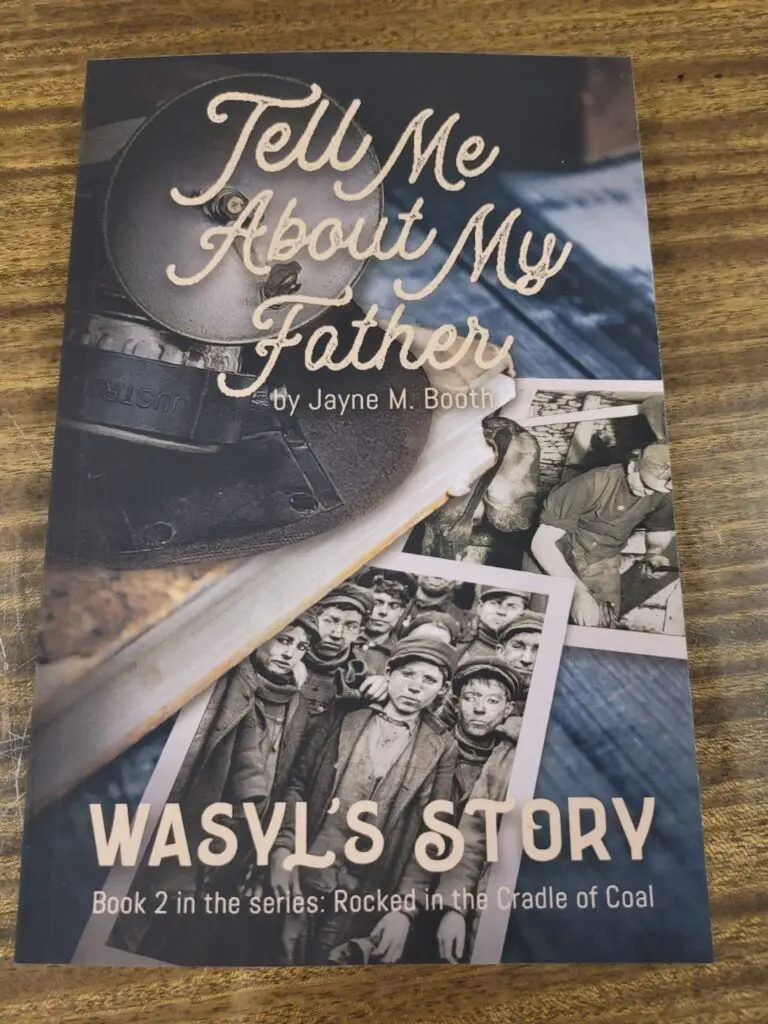
Tell Me About My Father: Wasyl’s Story by Jayne M. Booth.  Book 2 of the Rocked in the Cradle of Coal series.  105 pages.   “Rocked in The Cradle of Coal Series: Children of the Pennsylvania Coal Mines Northeastern Pennsylvania was the cradle of the coal industry in the early 1900s.  Immigrants escaping poverty and hunger in Poland, Hungary, Ukraine, and other countries were eagerly recruited by the anthracite mine barons to provide cheap labor in exchange for the promise of a better life in North America.  Upon arriving in their new country, immigrants soon discovered that the streets were not made of gold.  Because they were part of the vast low-skilled labor force and did not speak English well (although they may have spoken three or four other languages), they faced prejudice and were ridiculed with ethnic slurs. With Limited Resources and a language barrier that separated them from the mainstream culture, these proud immigrants found strength in ethnic neighborhoods, societies, and their faith,  They preserved with a strong work ethic, self-respect, and love for each other,  Rocked in the Cradle of Coal stories are based on fact although not politically correct by today’s standards.  The Situations and conversation are purely a product of oral tradition and the author’s imagination… but they could have happened in any immigrant home at the time. Book 2 Tell Me About My Father: Wasyl’s Story In 1917 the United States is recovering from the costly first World War. Inflation hits hard, especially in the coal regions of Northeastern Pennslyvania. Families are forced to make difficult decisions. What groceries are optional? Does mama really need cream in her coffee? Probably not. Is a nine-year-old boy too young to quit school and work full-time in the mines? Maybe…..maybe not.  This is Wasyl’s dilemma. He sees his widowed mother struggling to buy food and pay bills. He wants to get a job and help her and his sisters, but Mama insists that he not work in the mines like so many other boys his age are doing. He wishes he had a father to guide him through the harsh realities of growing up in coal country, but Wasyl’s father is a big secret no one ever discusses. He has so many questions. There is so much he doesn’t understand. Is it kinder to keep secrets, or to deal with them honestly and openly even if they hurt? Wasyl is about to find out. 

$37.74

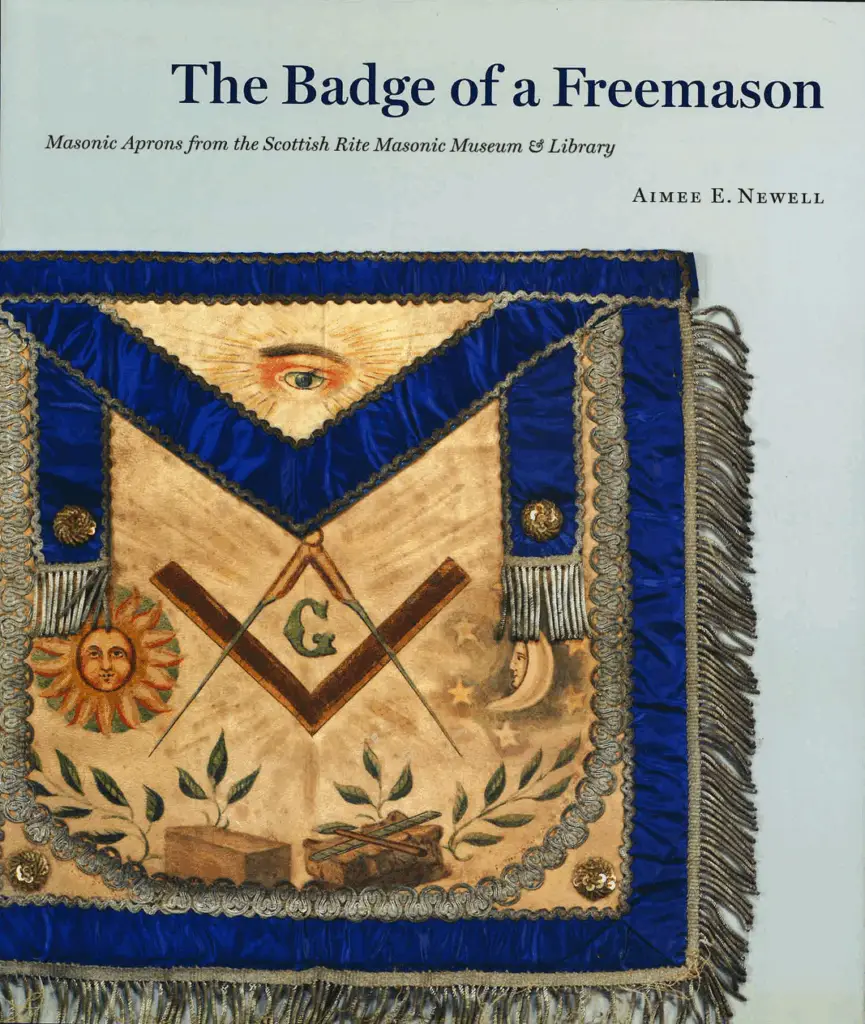
The Badge of a Freemason by Aimee E. Newell, hardcover, 247 pages, full-color. “Called “The Badge of a Freemason” in Masonic ritual, the fraternity’s apron was adapted from protective aprons worn by working stonemasons during the 1600s and 1700s. Still worn by members today, the apron remains one of the iconic symbols of Freemasonry.  This catalogue presents more than 100 aprons from the Scottish Rite Masonic Museum & Library collection with full-color photographs and new research.  The aprons are organized chronologically to help demonstrate their evolution in shape, style, and materials from the eighteenth century through the twentieth century. Soon after the Scottish Rite Masonic Museum & Library was founded in 1975, the collection began to grow, with Masonic aprons among the first donations.  Today, with more than 400 aprons, the Museum & Library has one of the largest collections in the world.  Examples date from the United States, England, China and other countries. Freemasonry is a fraternal organization for men that teaches a system of ethics using symbols, rituals and ideas drawn from stonemasons’ regulations, Enlightenment philosophy and Judeo-Christian teachings. Freemasonry enhances and strengthens a man’s character by providing opportunities for fellowship, charity education and leadership.  Worn by Freemasons throughout the centuries, aprons feature eye-catching colors and materials and show the symbols essential to Masonic lessons. Published by the Scottish Rite Masonic Museum & Library, this lavishly illustrated volume offers stories to be enjoyed by Freemasons around the world, as well as new ways to understand these aprons for scholars, researchers and museum curators.  “the Badge of a Freeemason” is the first in-depth study of American Masonic aprons published in the recent decades and is a fascinating resource for collectors, enthusiasts and museums.”

$23.59

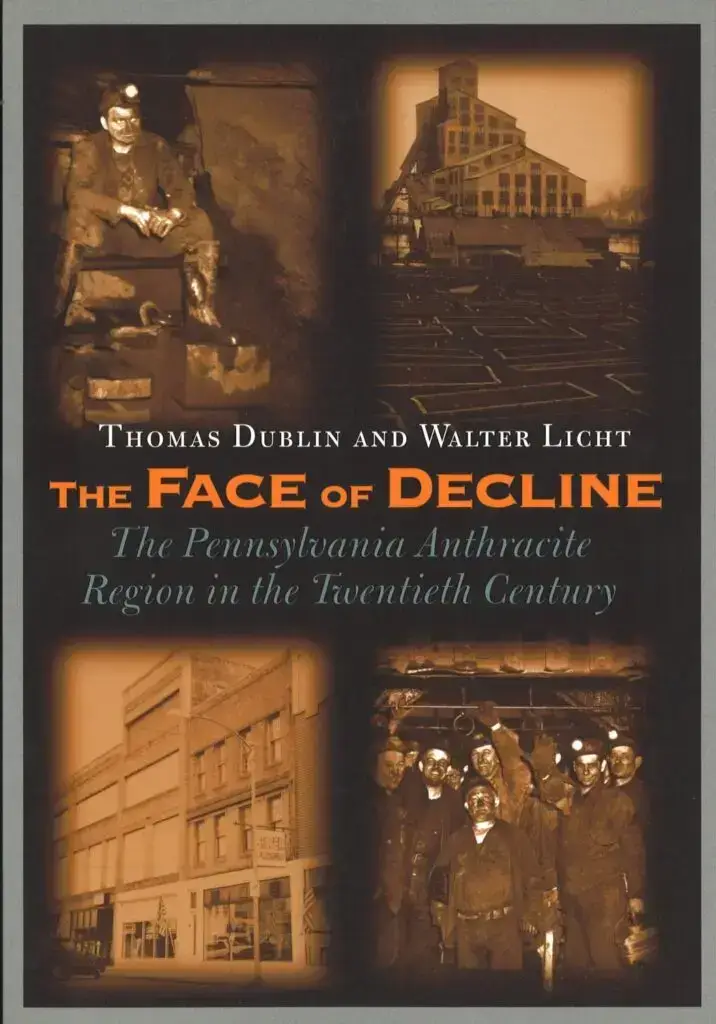
Author:  Thomas Dublin and Walter Light Description:  A history of the anthracite industry in Pennsylvania and how the death of the industry was dealt with on government, business and personal levels. Size:  7 x 10 Paperback – 277 Pages Published:  2005

$18.87

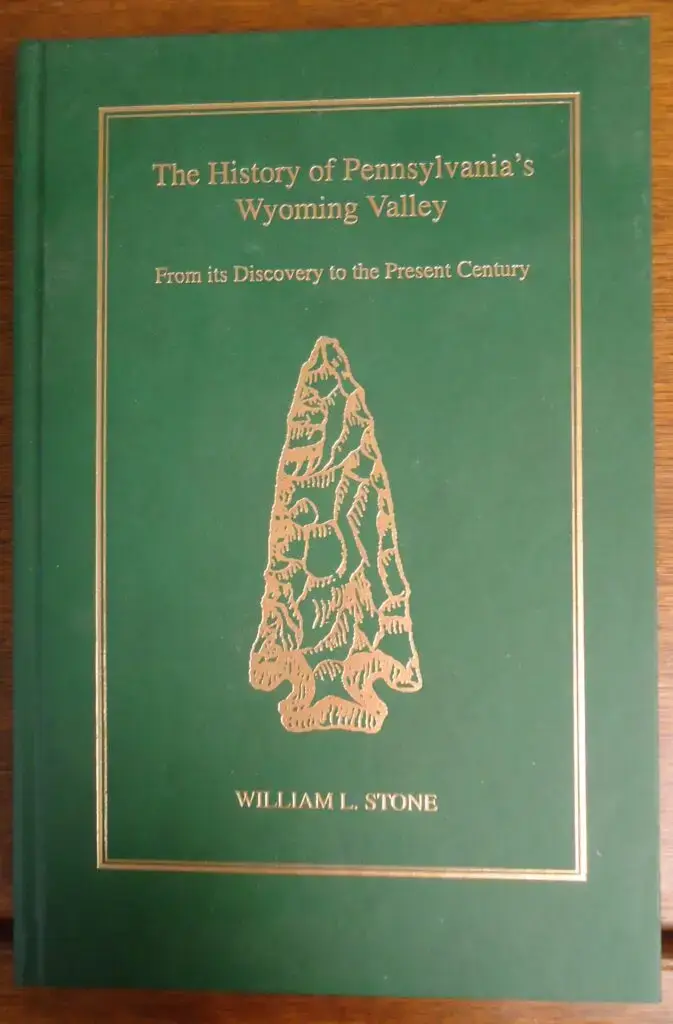
Author:  William L. Stone Description: Originally published in 1844 as Wyoming and Its History, this copy was reproduced from the 3rd edition, The Poetry and History of Wyoming (1868), but does not contain the poem, “Gertrude of Wyoming.” Size:  6 x 9 Hardcover – 406 pages Published: 2011

$8.49

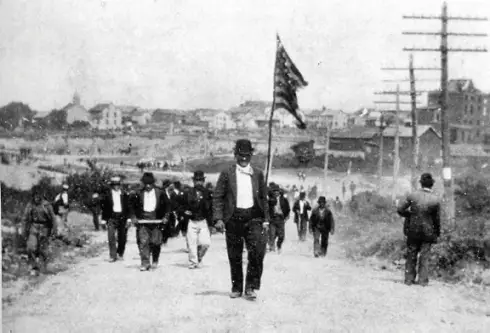
Author: William E. Bachman Description: An old-time radio drama based on the recreation of actual events from September 10th, 1897, and the 1898 trial. Hear the march unfold as told by a reporter on the scene! Be an “ear-witness” to the testimony in the courtroom! Size: 1 CD Published: 2012

$25.00

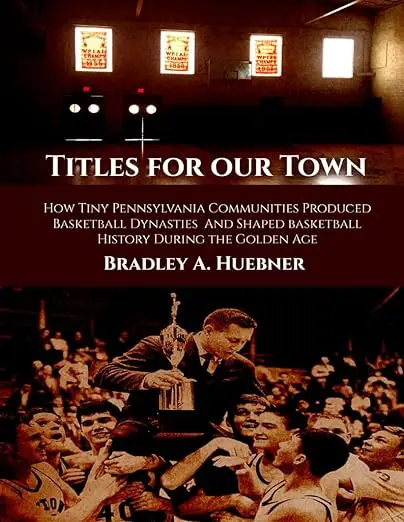
“Titles for our Town” is a 2023 release that focuses on the golden age of high school basketball in PA during the ’50s and ’60s and how the teams not only inspired boys in small towns in the Commonwealth but across the US and even into the Soviet Union as well.